Content inventory
Find entries by family, name and study depth; inspect source coverage, review dates and downloadable records.
MANTIC ARTS INSTITUTE
Research begins with traceable material: how Chinese mantic traditions formed, how procedures were transmitted and where interpretations diverge. Claims about real-world effects require their own tests.
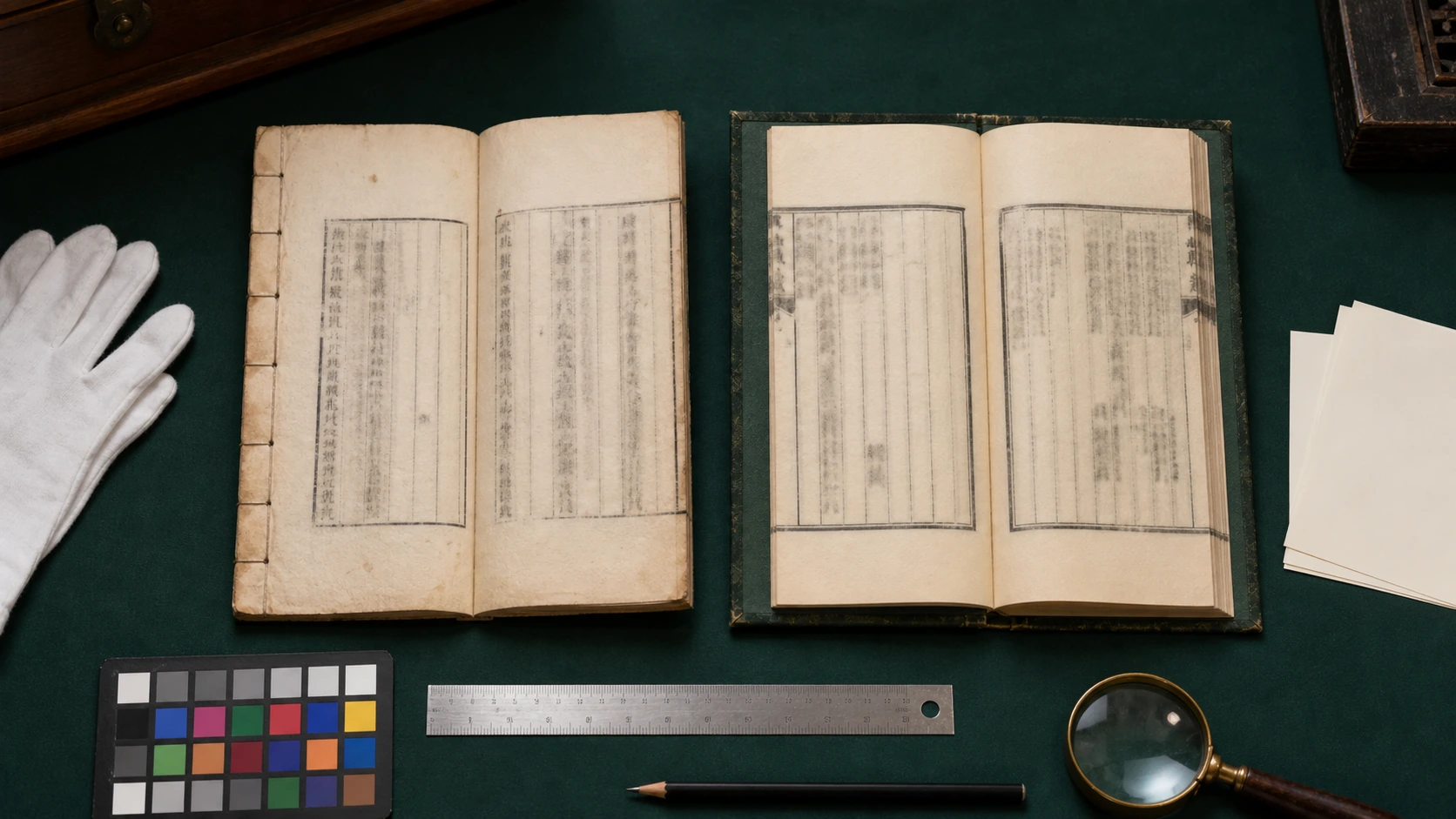
Dossier texts, source annotations and structural experiments form the site's current public research material. The inventory lists scope and provenance; worked records show how observations lead to editorial judgments.
Find entries by family, name and study depth; inspect source coverage, review dates and downloadable records.
Compare atlas totals, volume fields, palace numbers, roles and transformation references, with a source and limit for each record.
Compare catalogs, editions, excavated materials and transmitted texts to trace terminology, attribution and social use.
Reconstruct procedures from identified editions and premises; compare structures, disagreements and interpretive scope.
Define questions, samples, baselines and evaluation in advance; retain negative and inconclusive findings to limit post-hoc interpretation.
How does a term change between classical scholarship, calendars and specific procedures?
Which editions support surviving procedures, and what did later simplifications change?
How did the arts enter daily life, ritual, politics and publishing?
How can premises, failed cases and selection bias be recorded for fair testing?
We welcome edition leads, corrections, licensable images, anonymizable cases and clearly framed questions. Proposals should identify provenance, permissions, scope and intended outputs.
MANTIC ARTS