
Yin-yang and relations
Read polarity and change in context rather than as permanent labels.
Read article ↗ACADEMY / OPEN STUDY
Twelve foundational units and six study paths, from figures, cycles and grids to editions, reconstruction and evidence. Each unit includes a worked example, explained exercises and reading references.

SIX FIELDS OF INQUIRY
Yijing, calendars, cosmic boards, fate systems, space and manuscripts. Each path connects four foundational units, related dossiers and a capstone exercise.
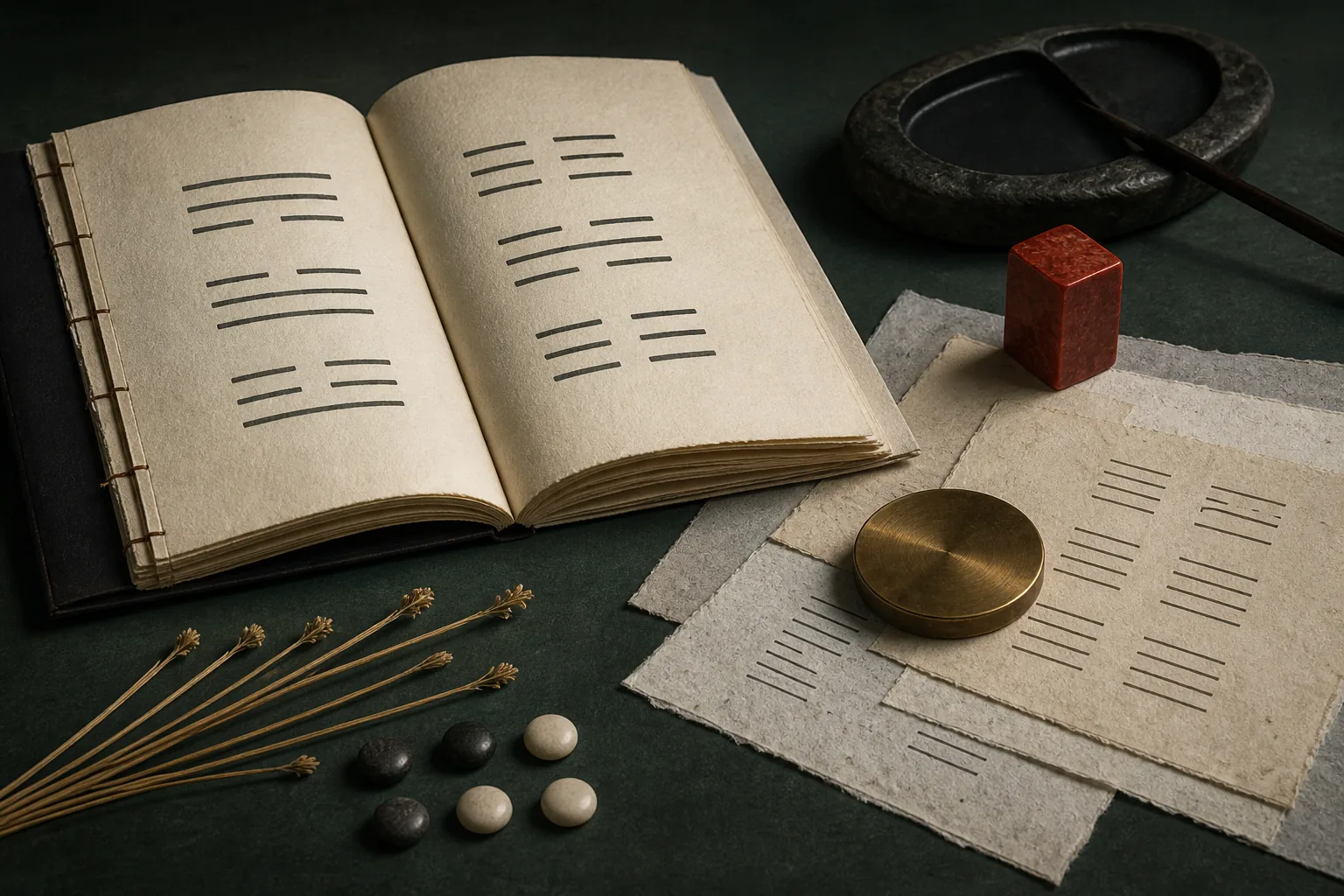
Connect trigrams, hexagrams, change records and layered reading of the classic.

Move from cyclic labels to time assumptions, precision and ambiguity in chart inputs.

Study coordinates, layered assignments and reconstruction through Taiyi, Qimen and Liuren.

Compare Four Pillars, Ziwei and astral materials through separate records of inputs, rules, interpretation and evidence.
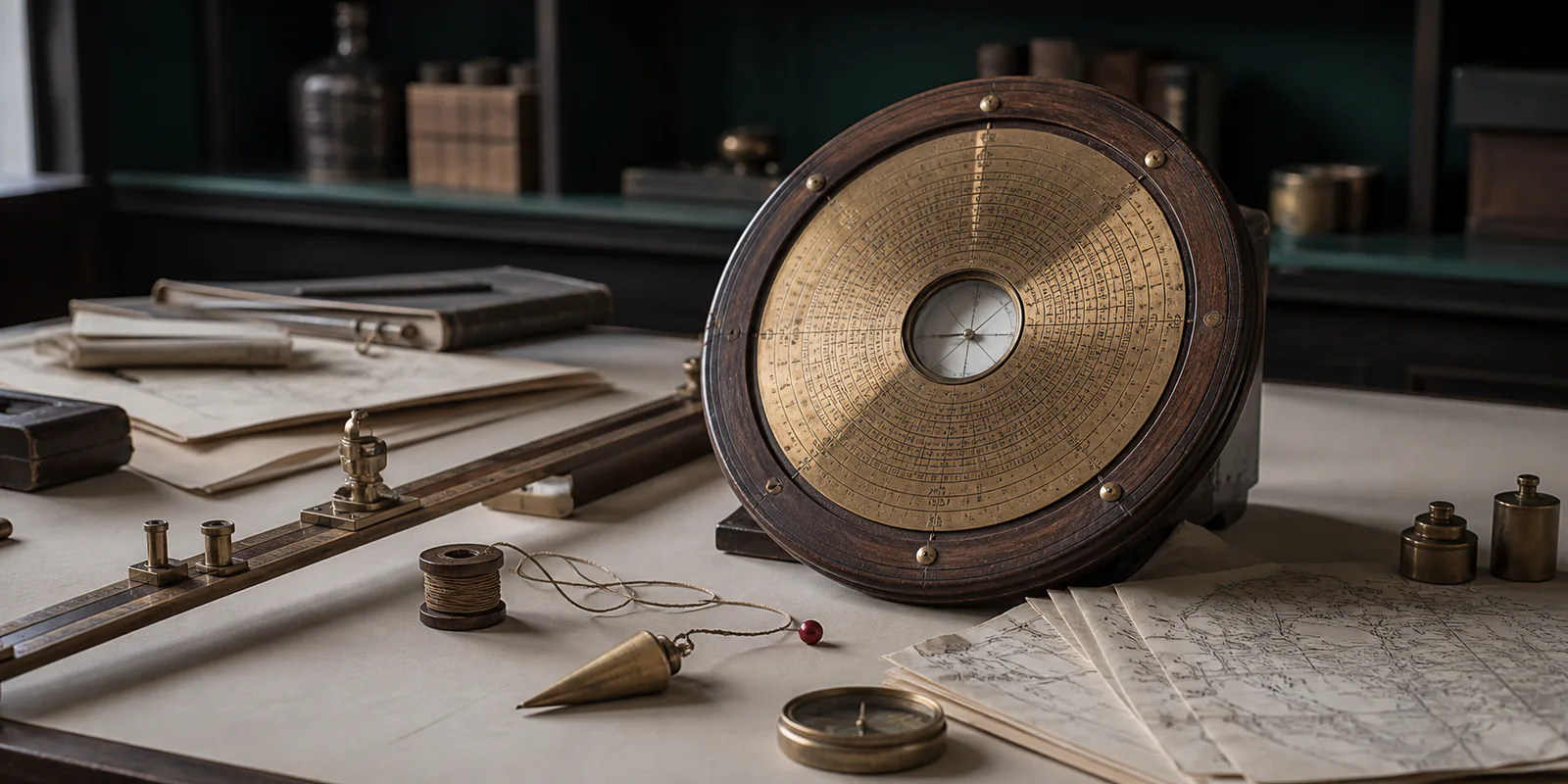
Keep environmental observation, directional coordinates, diagram assignments and selection rules at their respective evidentiary levels.

Build a material-led historical method distinguishing objects, transcriptions, transmitted texts and modern editions.
FOUNDATIONS / 12 UNITS
Self-reported unit completion, stored on this device.
12 articles
Read polarity and change in context rather than as permanent labels.
Read article ↗Distinguish category names, relational sequences and source-specific mappings.
Read article ↗Explore the sixty-pair cycle with forward and backward steps, wraparound, worked calculations and four self-checks.
Read article ↗Separate chronology, calendar dates, solar-term boundaries and time standards.
Read article ↗Recognize three-line structures, reading direction and source-specific names.
Read article ↗Connect six-line structure, component trigrams and line numbering.
Read article ↗Identify nine-grid positions, orientation conventions and layered arrangements.
Read article ↗Compare the questions answered by procedures, diagrams and textual interpretation.
Read article ↗Build traceable reading records with titles, locators and responsible persons.
Read article ↗Start with a short procedure and retain a complete trace.
Read article ↗Distinguish records, interpretations, evaluation and retrospective narrative.
Read article ↗Turn notes into a readable, reviewable portfolio.
Read article ↗These readings are open without enrollment. Self-study records are separate from programs, assessment and credential procedures.